Three days at Anthropy 2026
2,200 leaders, 230 sessions, and a significant step in the right direction.
Last week I spent three days at the Eden Project in Cornwall for Anthropy 2026.
More than 2,000 leaders from across business, government, civil society and culture, representing over 1,200 organisations, across 200+ sessions on 20+ stages — all asking versions of the same question: what kind of future do we want to create, and what are we actually going to do about it?
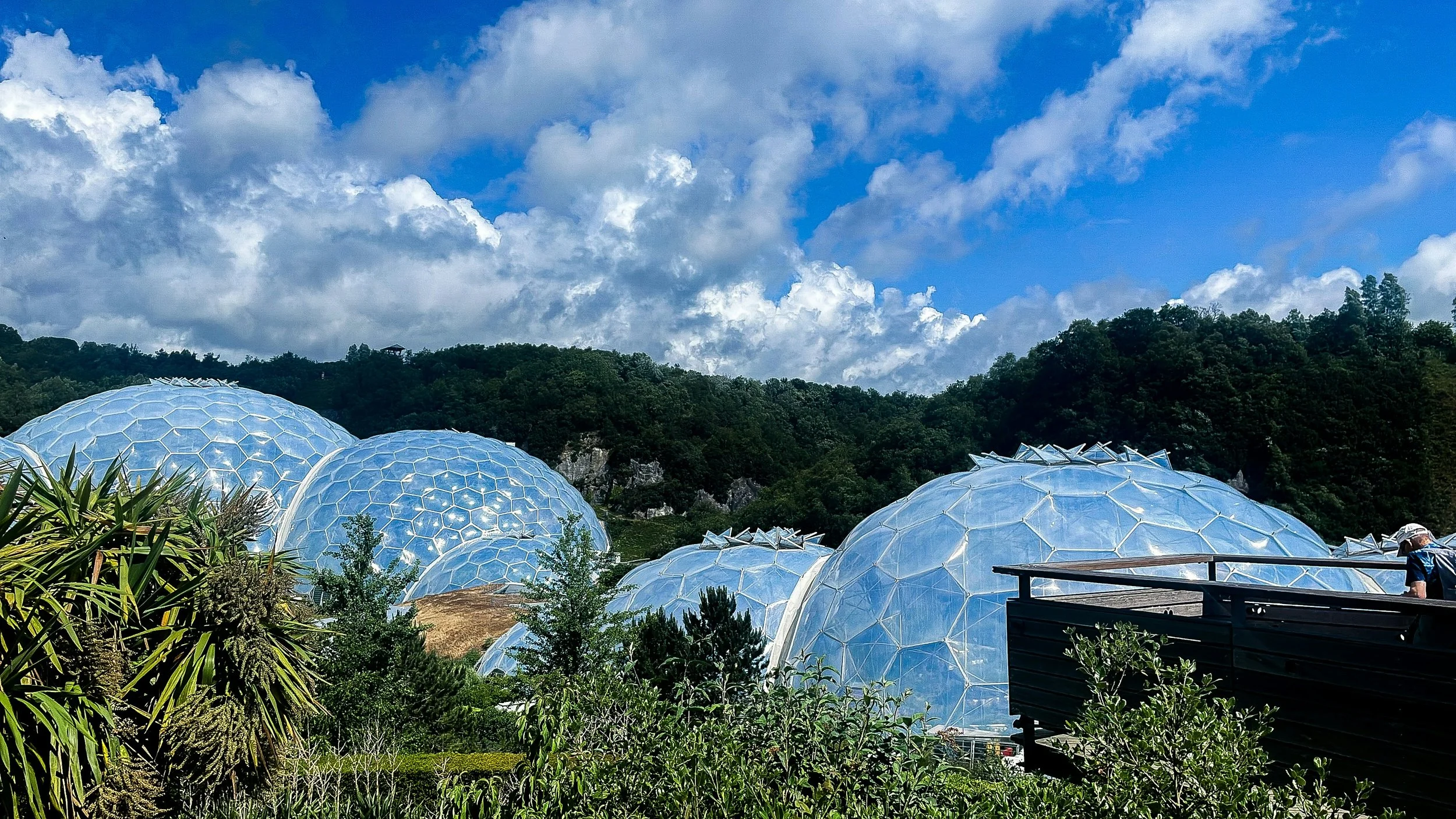
Image credit: Kai Jones - Unsplash
It's a remarkable event. The breadth of it — organisations like Business in the Community, the RSA, Lloyds Bank Foundation, National Lottery Community Fund, Social Value Portal, National Trust, Severn Trent, Centrica, Marks & Spencer and many more — all in the same place, having the same honest (often candid) conversations — doesn't happen anywhere else.
This year carried extra weight: Anthropy returned during the Eden Project's 25th anniversary month which gave the whole thing a reflective quality that felt appropriate.
On the opening day, discussions focused on Britain's place in an increasingly uncertain world, the challenge of unlocking economic growth, and the need to rebuild trust in institutions. One line from the stage cut through everything else for me. Andrew Griffith put it simply: "Britain isn't broken. Politics is."
Whatever your view on the politics, the sentiment behind it — that the country has more capacity than its institutions are currently unlocking — was something almost everyone in the room seemed to agree on.
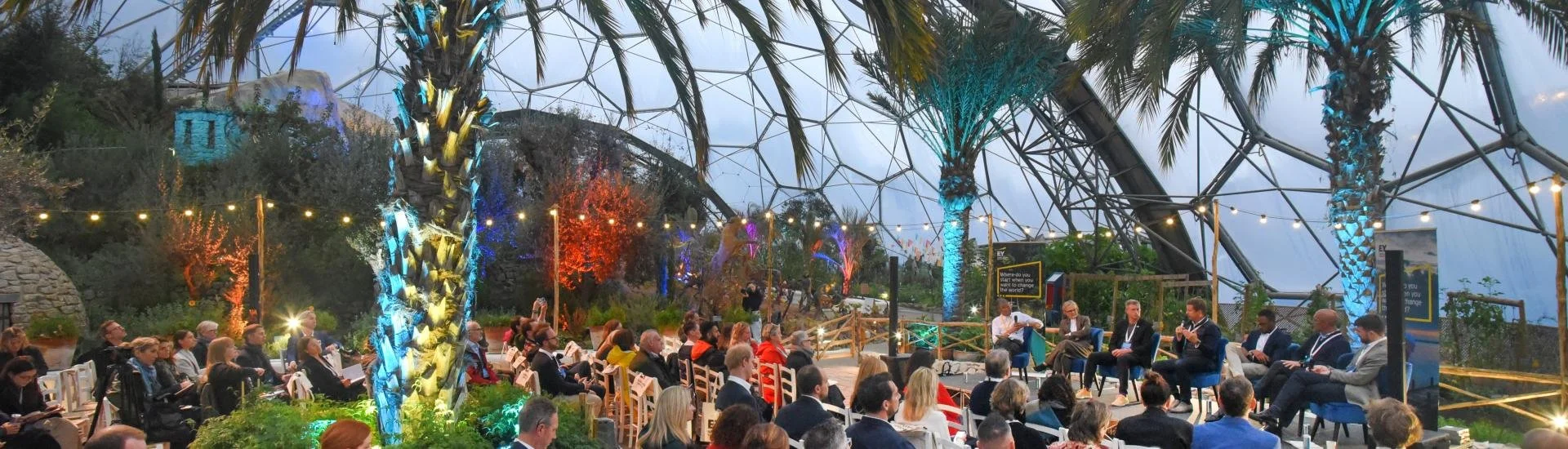
Image credit: The Eden Project
That framing kept coming back in different forms across sessions on community, on place, on the role of business in society.
Most organisations want to do the right thing in the communities around them - we at Connect2 see this on a daily basis. The ones struggling aren't short on good intentions, they’re struggling with effective execution.
The gap doesn't seem to be one of values. It seems to be one of method. Initiatives designed around what an organisation wants to show — rather than what a community actually needs — don't build the trust they were meant to. And when you can't point to what changed, the work gets quietly deprioritised.
What the organisations getting it right seem to share is straightforward: they start with real local insight, they act in ways that genuinely fit what they can offer, and they give it enough time to matter.
The outcomes from this summit are expected to feed into the next set of Anthropy Accords, intended to influence policy and decision-making in the months ahead. That's the right ambition. But policy influence and on-the-ground change are two different things — and the gap between them is exactly where most community investment gets lost.
That's what we do at Connect2 — we enact a practical process for closing that gap, so community investment stops being a reporting exercise and starts being something worth pointing to.
If you were at Anthropy and it raised questions about how your organisation approaches this, I'd be glad to talk.
Drop me an email at jeremy.taylor@connect2-uk.com or find our contact form on the top right of this page.